Welcome to STYLÉCRUZE Version 2.6 We are glad to have you here! We are developing our website, more features are coming soon.
The Psycho-Emotional Language of the Face
Kateryna Yakymovych’s Innovative Approach to Reading Emotions Through Skin
FASHIONSTYLÉCRUZE COVERBEAUTYINTERVIEW
Team Stylecruze
4/8/20265 min read
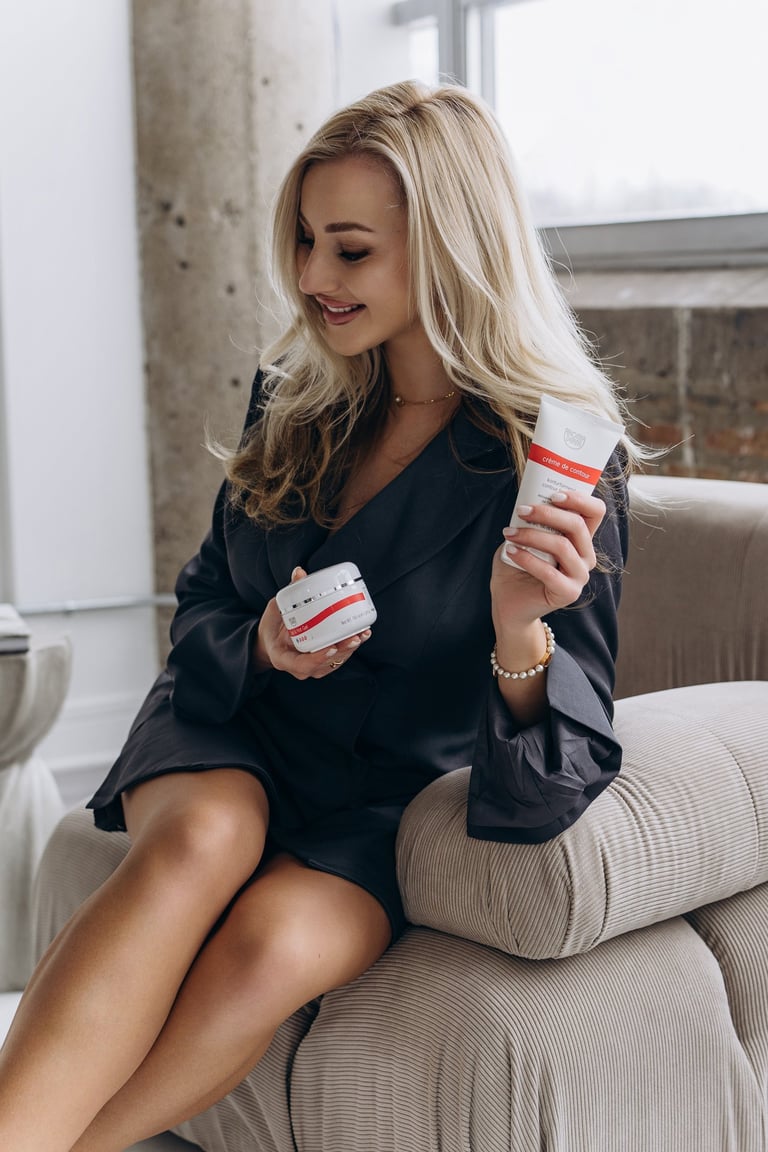


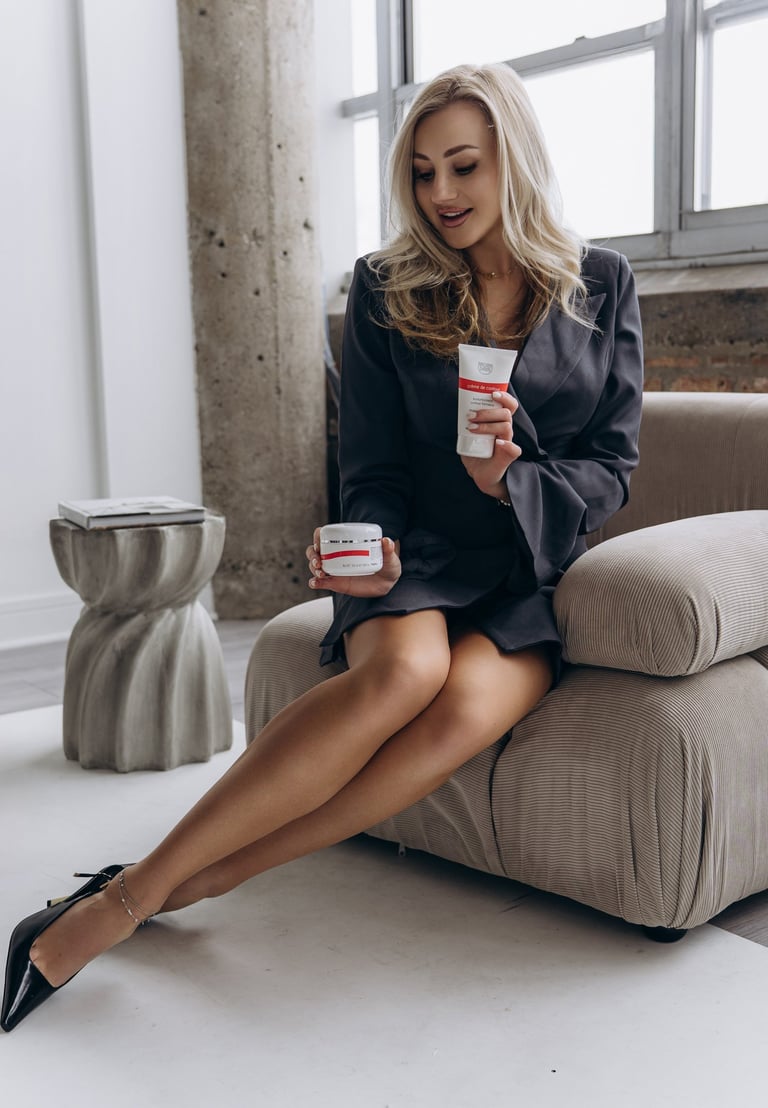
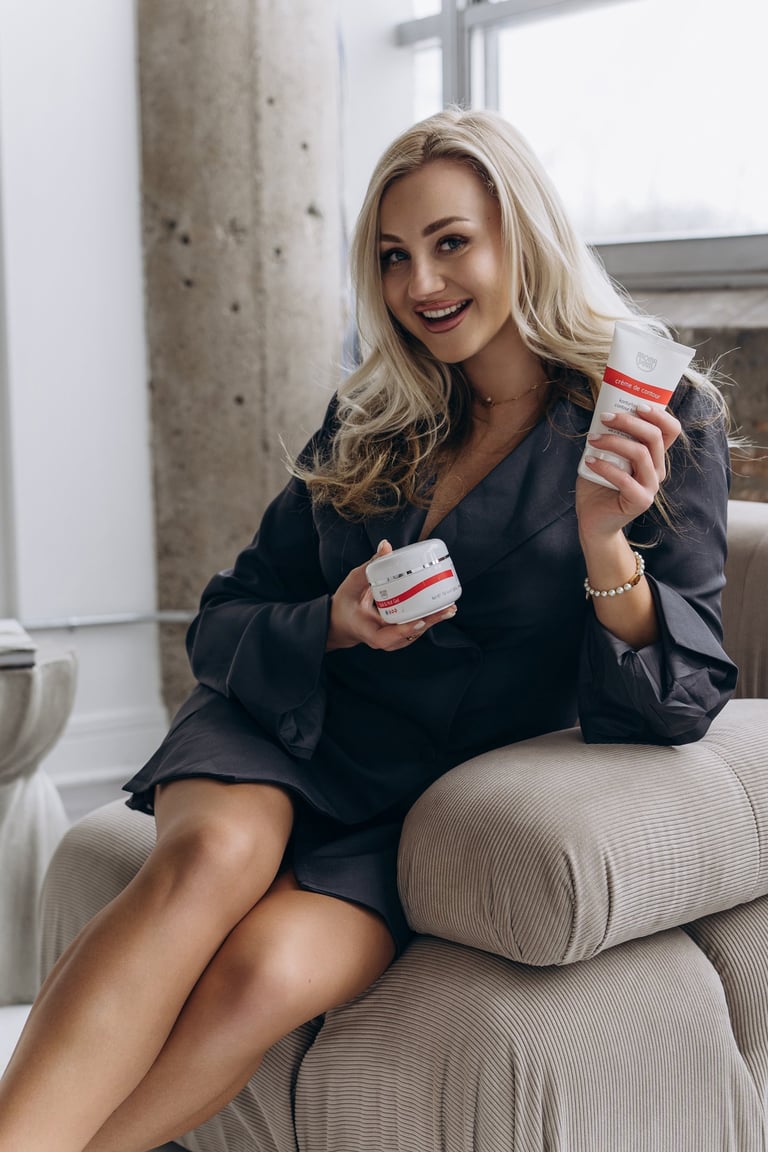
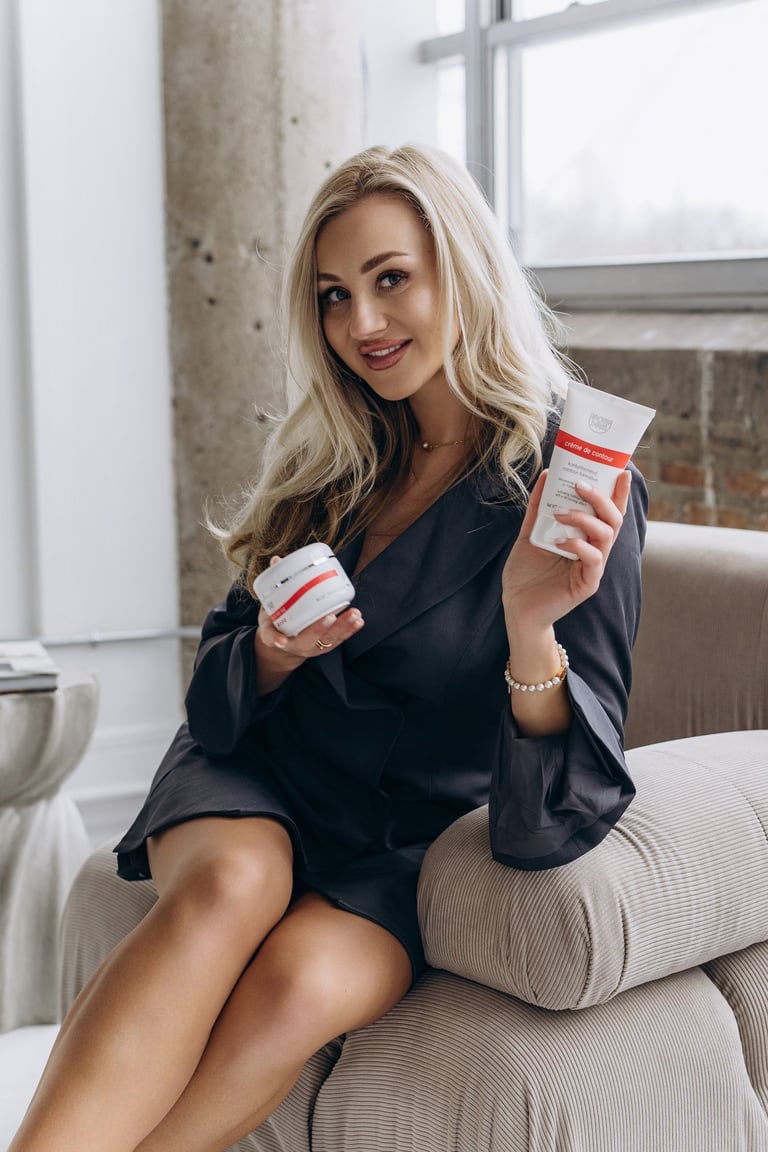


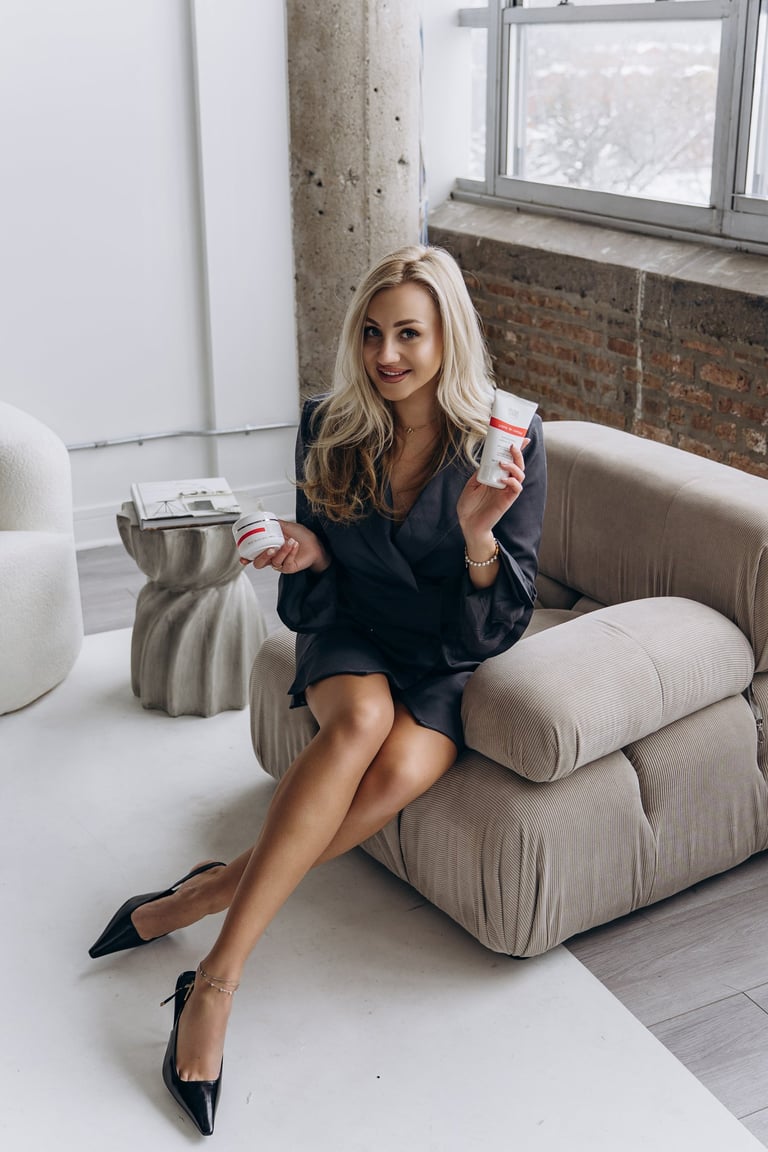



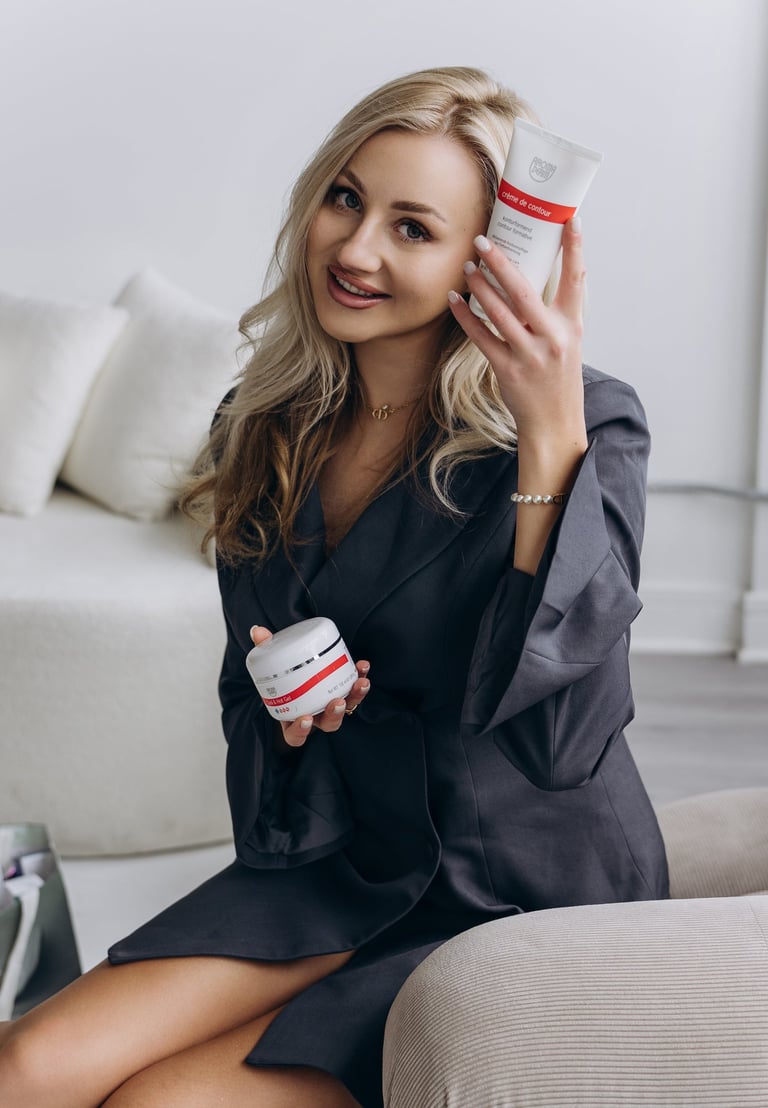



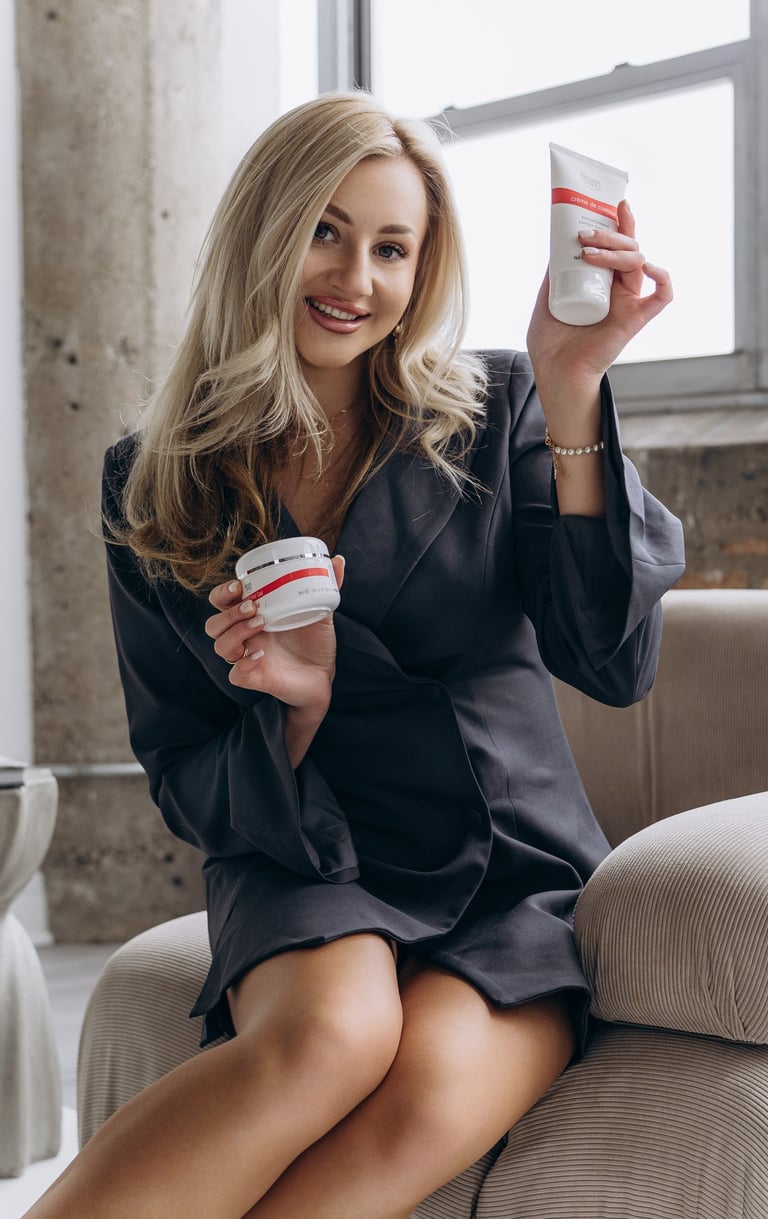
Creative Director: PWR MEDIA @PWR MEDIA
Model: Kateryna Yakymovych
The Psycho-Emotional Language of the Face: Kateryna Yakymovych’s Innovative Approach to Reading Emotions Through Skin
Description: Can the face reveal more about us than words? In a world where aesthetic medicine is often associated primarily with correcting appearance, Kateryna Yakymovych offers a different perspective: the skin is not only physiology — it is also an emotional archive. An aesthetic skin expert and the creator of her own methodology, Kateryna Yakymovych studies the connection between the nervous system and the visible expressions that appear on the face. Her approach combines anatomy, dermatology, and psycho-emotional analysis, opening a new dimension in the way aesthetic specialists work with their clients. In this interview, we discuss how emotions shape facial features, whether stress can be “read” through the skin, and why the future of aesthetics lies in a deeper understanding of a person’s inner state.
1. When did you first notice the connection between a person’s psycho-emotional state and the condition of their skin? Was it an intuitive observation or the result of systematic analysis?
It began with observation. I first noticed it when I was 17 during my first exam session while studying in Poland. I became aware of how my own skin reacted to stress. Emotional overeating or, on the contrary, losing my appetite because of anxiety would trigger breakouts or swelling. Later, when I started working with clients, I began noticing patterns. People of the same age following similar skincare routines, yet with completely different skin quality. It became clear very quickly: it wasn’t only about cosmetics. Over the years this observation evolved into a system. I started analyzing facial expressions, muscle fixation patterns, and how skin reacts to stress. Eventually I saw a clear pattern — the nervous system literally “writes” its story on the face.
2. Can the face be considered a kind of map of emotional reactions? Which areas are the most sensitive to internal experiences?
Absolutely. It’s pure physiology. We involuntarily express emotions when we speak. The human face contains more than forty muscles, and most of them are directly connected to emotional reactions. Every recurring emotion activates a specific muscular pattern. If that emotion becomes constant, the muscle stops fully relaxing. For example, the glabellar area between the eyebrows often reflects chronic concentration and control. The periorbital area around the eyes is one of the most sensitive zones — the eyes respond first to fatigue, anxiety, and nervous system overload. The lower third of the face — the jaw and corners of the mouth — often reveals people who suppress emotions or constantly “hold themselves together.” That is why I never look only at the skin. I observe the dynamics — how a person speaks, how they smile, whether they allow themselves to relax. The face is a living map of emotional habits.
3. From a physiological perspective, how does chronic stress manifest in facial tissues?
For me, stress is primarily a hormonal story. Chronic tension increases cortisol and adrenaline levels, which alters the entire endocrine system. The balance of sex hormones and insulin becomes disrupted, and even the thyroid gland can be affected. Very often, the face is the first place where these changes become visible. Even in adulthood, inflammatory breakouts can appear, especially in the lower third of the face, along with deep painful acne. Dark circles under the eyes are another common indicator. Microcirculation is also affected — venous congestion may occur and tissues become thinner and more vulnerable. That is why, if we want a stable aesthetic result, we must work not only with the surface of the skin but also with the root cause — the balance of the nervous and hormonal systems.
4. Is there a visible difference between the skin of a person living in constant tension and someone with inner stability?
Yes. People with a stable nervous system tend to have a more even skin tone, a natural inner glow, and softer skin texture. Their skin also recovers faster after procedures and reacts less dramatically to seasonal changes or stressful events. When someone lives in chronic tension, the picture is different. Sometimes a woman may appear older not because of age, but because she has spent years living in a state of internal pressure, responsibility, and anxiety. The skin may appear dull, swollen, or excessively dry and depleted. That is why youthfulness is not only about age, but also about the condition of the nervous system.
5. How important is observing facial expressions and muscle patterns before starting a treatment?
Before I even touch a client’s face with tools or products, I observe. I watch how a person enters the room, how they sit, how they hold their shoulders, and how they speak. Facial expressions carry the story of our lives and our nervous system. I am interested not only in a static image but also in movement — how the face behaves during conversation, whether there is asymmetry, and whether the person allows themselves to relax. If muscle patterns are ignored, you may eliminate the symptom but leave the cause untouched. In that case the tension simply moves to another area.
6. Can aesthetic procedures improve not only the condition of the skin but also a client’s emotional state?
Absolutely. I believe this is one of the key responsibilities of an aesthetic practitioner. Our skin is the largest sensory organ of the body, deeply connected with the nervous system. Through touch, attentiveness to the body, and a slow calming rhythm, we help a person reconnect with themselves. After treatments, clients sometimes say: “I can breathe more easily now,” “It feels like something finally released,” or “I feel like I finally exhaled.” For me, that means the work was done correctly.
7. You work in a multicultural environment. Does emotional expression differ across cultures in ways that affect facial structure?
Yes and no. Culture may influence how people are expected to express joy, anger, or restraint, but the decisive factor is how a person personally processes emotions. Two people from the same culture may develop completely different muscular patterns. Culture influences style of expression, but facial structure is shaped by personal experience — trauma, anxiety levels, and temperament.
8. Can excessive aesthetic correction that “freezes” facial expressions affect emotional expression?
Yes, and it is a very delicate topic. In my work I advocate for natural aesthetics with subtle corrections. Aesthetic treatments should never erase personality. The face should remain expressive, warm, and authentic. Balance is far more important than perfect smoothness.
9. How do you determine the boundary between aesthetic correction and preserving emotional identity?
The key question for me is not “What can we remove?” but “What should we preserve?” If someone looks younger after a procedure but loses recognizability, it becomes an intervention in identity. My goal is to highlight natural features, release tension, and improve skin quality — without changing the essence of the person.
10. Can specialists be taught to read psycho-emotional signals through the skin?
Intuition is one of my tools, but it develops through years of practice, experience, and continuous education. Over time I noticed patterns: chronic anxiety often leads to jaw tension and dull skin tone; a depressed emotional state can reduce skin firmness; perfectionism often manifests as tension between the eyebrows. This is not psychological diagnosis — these are physical markers that help guide treatment strategy. The future of aesthetics lies in interdisciplinary understanding between the nervous system, muscular patterns, and skin quality.
Our Instagram
CONTACT


StyleCruze Magazine Inc.
Suite 305 131 Continental Drive, Newark, DE, 19713, US